Corporate travel is susceptible to communication challenges, data breaches, emergencies, and more. While it’s impossible to completely eliminate these risks, travel administrators can significantly reduce their occurrence and impact. Leveraging the latest advancements in travel technology can help achieve this goal. With the rise of artificial intelligence, business travel management platforms are introducing innovative methods to ensure high levels of corporate travel security. These technologies help predict, analyze, and mitigate issues that could disrupt travel. Let’s explore the various travel technologies currently available in the market.
Components of a Technologically Advanced Corporate Travel Security Program
1. Travel Apps for Real-Time Information:
The adage "prevention is better than cure" applies to corporate travel management. Preparing for emergencies requires timely updates and notifications. By partnering with a technology-focused travel management platform, employees receive real-time updates on flight schedules and delays, as well as essential information about local conditions, security alerts, and transportation options. In an unpredictable world, these apps provide employees with the information they need to make informed decisions during their travels.
2. Digital Tracking Systems:
Digital tracking systems have transformed how companies monitor employees during travel. Utilizing GPS and location-based technologies, businesses can track employees' real-time locations, ensuring their safety and enabling quick responses in emergencies. This makes it easier for employers and travel management companies to fulfill their Duty of Care responsibilities. Additionally, location tracking helps improve trip productivity by monitoring employees’ whereabouts.
3. Communication Tools:
Maintaining constant communication is crucial for providing assistance during emergencies. Modern communication tools like video conferencing, emails, and other channels allow employers to guide employees through unforeseen situations. These channels often employ data encryption methods, ensuring secure data transfer and protection while employees are traveling.
4. Biometric Security Measures:
Biometric technology enhances corporate travel security with fingerprint and facial recognition systems that secure access to sensitive information. These measures ensure that only authorized personnel can access critical data, enhancing security and streamlining the authentication process for travelers. Most modern devices used by employees feature biometric security, aiding in secure data transfer and protecting against data theft in case of device loss.
5. Smart Travel Accessories:
Smart travel accessories, such as GPS-enabled luggage, enhance the travel experience by providing features like built-in chargers and digital locks. These accessories contribute to security by allowing travelers to track their belongings in real-time, ensuring peace of mind during their journeys.
6. Cybersecurity Solutions:
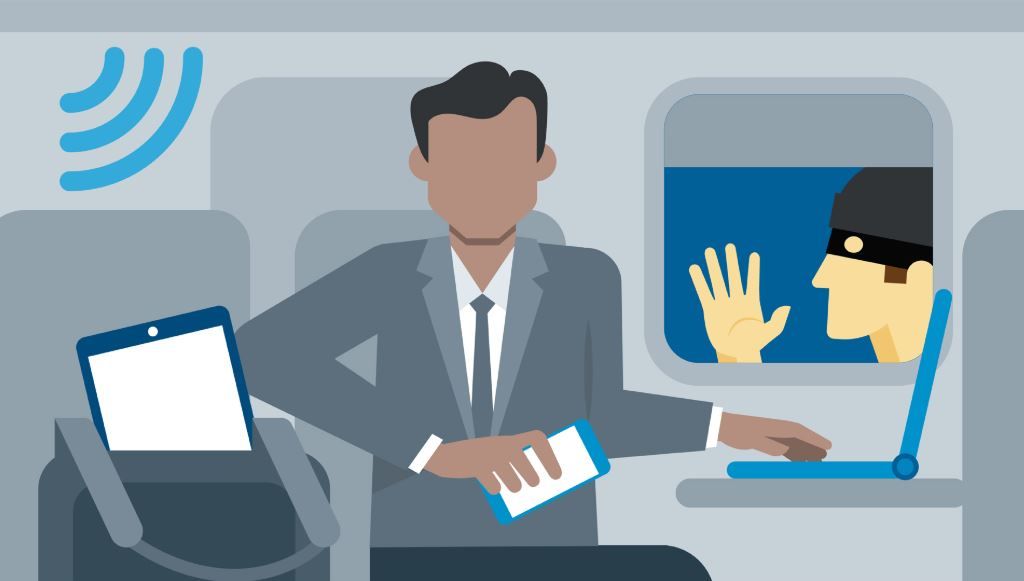
In an era where vast amounts of data are generated every minute, protecting corporate and business travel data is essential. Cybersecurity measures, including secure networks, encrypted communications, and employee awareness training, are critical to safeguarding sensitive information and maintaining a secure digital environment during business trips.
7. Emergency Response Apps:
The market offers a variety of emergency response apps tailored to different global locations. These apps provide direct links to local emergency services, medical assistance, and other critical resources, enabling employees to access immediate help when needed.
8. Virtual Safety Training:
Virtual reality (VR) and augmented reality (AR) technologies can be used to provide immersive safety training for corporate travelers. These technologies allow employees to practice emergency procedures in simulated environments, enhancing preparedness and equipping them to respond effectively in real-world situations.
Conclusion
Corporate travel security is a crucial aspect of planning any business trip. Travel administrators should advocate for the adoption of these technological advancements to ensure comprehensive support and security for employees during corporate travel.
Plan corporate travel with AirBooking